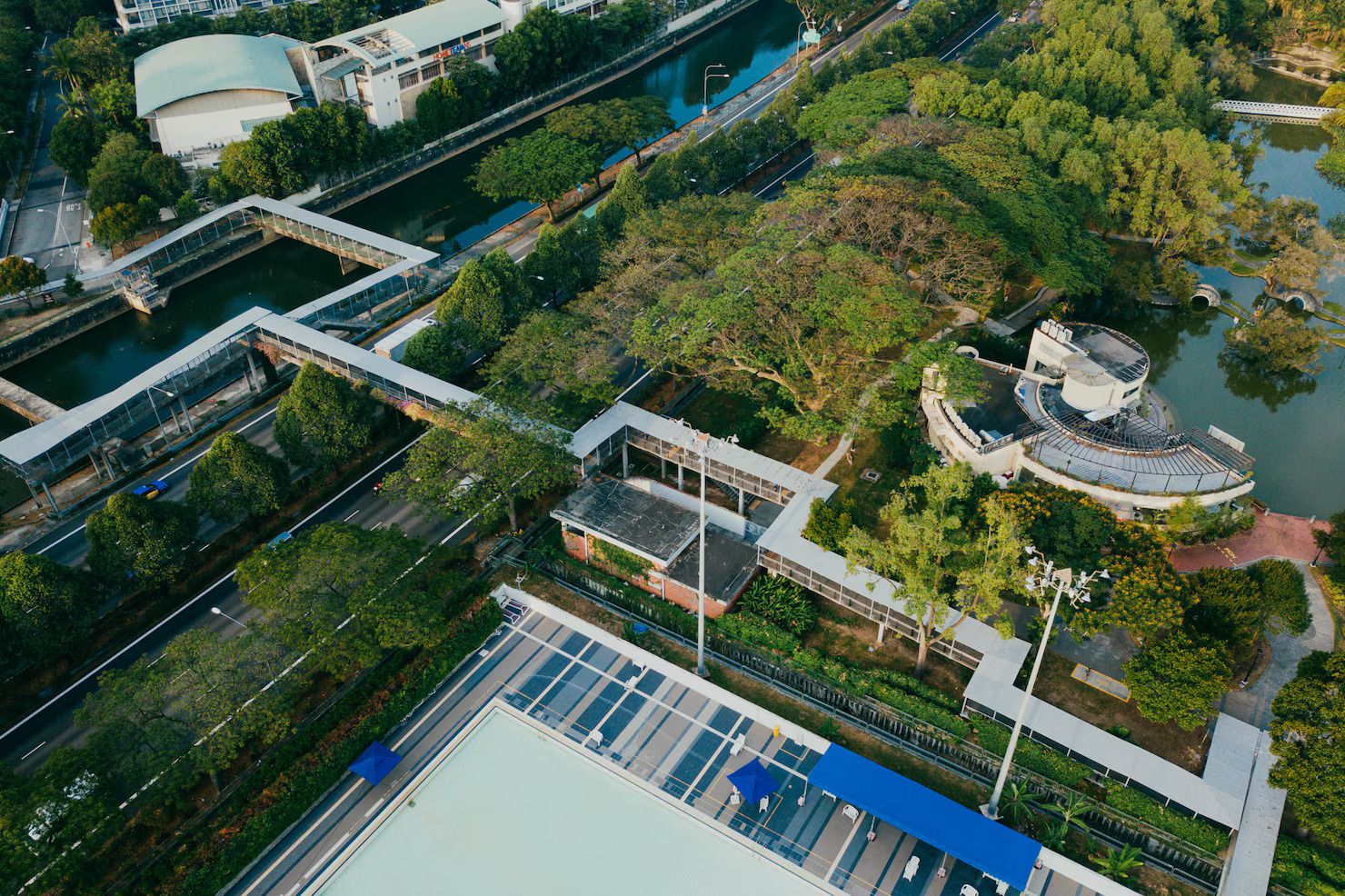
Water recycling plants are facilities designed to treat wastewater and convert it into reusable water for various purposes such as agriculture, industry, and environmental restoration. These plants use advanced treatment technologies to remove contaminants, pathogens, and pollutants from wastewater before releasing or reusing the treated water.
The concept of water recycling exists because freshwater resources are limited and unevenly distributed around the world. Rapid population growth, urban development, industrial expansion, and climate variability have increased pressure on natural water supplies. As a result, many countries have invested in water reuse infrastructure to maintain sustainable water availability.
In a typical system, wastewater from households, industries, or municipal drainage systems is collected and transported to treatment plants. Through a series of physical, biological, and chemical processes, contaminants are removed and water quality is improved. The treated water may then be reused for irrigation, groundwater recharge, cooling systems, or landscape maintenance.
Water recycling is often considered a key part of modern water management strategies. It helps communities reduce reliance on natural water sources while also minimizing wastewater discharge into rivers and oceans.
Why Water Recycling Plants Matter Today
Water recycling plants play an increasingly important role in addressing global water challenges. Many regions face water scarcity due to climate change, population growth, and changing rainfall patterns. Reusing treated wastewater provides an additional and reliable source of water.
Several groups benefit from water recycling systems:
- Urban communities rely on recycled water for landscaping and municipal uses
- Agricultural sectors use reclaimed water for irrigation
- Industrial operations reuse treated water for cooling and manufacturing processes
- Environmental programs use recycled water to restore wetlands and ecosystems
Another important benefit is pollution reduction. Untreated wastewater can contain harmful chemicals, nutrients, and pathogens that damage aquatic ecosystems. Treatment and reuse reduce these impacts and improve environmental quality.
Water recycling plants also support sustainable infrastructure planning. Cities that incorporate water reuse systems can better manage drought conditions and reduce pressure on reservoirs, rivers, and groundwater supplies.
Below is a simplified comparison showing how recycled water supports sustainable resource management.
| Water Source | Reliability | Environmental Impact | Sustainability |
|---|---|---|---|
| Rainfall | Variable | Low | Moderate |
| Groundwater | Moderate | Risk of depletion | Moderate |
| Surface Water | Seasonal | Ecosystem impact | Moderate |
| Recycled Water | High | Reduced pollution | High |
This comparison shows why recycled water is increasingly recognized as a stable and sustainable resource.
Recent Developments and Trends in Water Recycling (2024–2025)
Water recycling technologies and policies have continued to evolve during the past year. Governments, researchers, and environmental organizations have introduced new projects and improvements in wastewater treatment infrastructure.
Several notable trends have emerged:
Advanced Membrane Technologies
Recent advancements in membrane filtration systems have improved the efficiency of water purification. Technologies such as ultrafiltration and reverse osmosis can remove microscopic contaminants, including pharmaceuticals and microplastics.
Smart Monitoring Systems
Digital monitoring tools are being integrated into treatment plants to track water quality in real time. These systems use sensors and automated data analysis to maintain treatment performance and detect potential issues quickly.
Expansion of Water Reuse Projects
During 2024, multiple countries expanded water recycling infrastructure as part of long-term sustainability planning. Urban regions in Asia, the Middle East, and Australia have increased investments in wastewater treatment capacity to support population growth.
Industrial Water Reuse Programs
Manufacturing industries have also adopted internal recycling systems to reduce freshwater consumption. Closed-loop water systems allow treated water to be reused repeatedly within industrial facilities.
The chart below illustrates the growth of water reuse adoption globally.
| Year | Global Water Reuse Capacity (Approximate) |
|---|---|
| 2020 | 45 Billion m³ |
| 2022 | 52 Billion m³ |
| 2024 | 60 Billion m³ |
| 2025 | 64 Billion m³ |
This gradual increase reflects growing awareness of water sustainability and improved treatment technologies.
Regulations and Policies Influencing Water Recycling
Water recycling plants operate under strict environmental regulations designed to protect public health and natural ecosystems. These regulations define treatment standards, monitoring requirements, and safe reuse practices.
Many countries have developed national water reuse guidelines that establish acceptable levels of contaminants for different types of reuse.
Common regulatory areas include:
- Water quality standards
- Wastewater discharge regulations
- Public health protection
- Environmental impact monitoring
- Infrastructure safety requirements
In India, water recycling initiatives are supported by several national programs aimed at improving wastewater management and sustainable urban infrastructure. Government initiatives encourage municipalities to expand treatment capacity and promote water reuse in agriculture and industry.
International organizations also provide guidelines that influence water recycling policies worldwide. Environmental agencies often collaborate with scientific institutions to develop treatment standards and safety recommendations.
Policy frameworks typically require treatment plants to maintain consistent monitoring systems, maintain operational transparency, and ensure treated water meets quality requirements before reuse or discharge.
Tools and Resources for Understanding Water Recycling
Various digital tools, research platforms, and educational resources help individuals, engineers, and researchers learn more about water recycling systems.
These resources support planning, monitoring, and education in water management.
Educational and Research Platforms
- Water research journals and environmental science databases
- Environmental data platforms providing water quality statistics
- University research centers focused on sustainable water technologies
Water System Planning Tools
- Water demand forecasting models
- Wastewater treatment simulation software
- Environmental impact assessment frameworks
Monitoring and Data Platforms
- Water quality monitoring dashboards
- Environmental data visualization tools
- Infrastructure management systems
Below is an example table summarizing common technology tools used in treatment plants.
| Tool Type | Purpose |
|---|---|
| Water Quality Sensors | Continuous monitoring of chemical and biological levels |
| Treatment Simulation Software | Predict system performance |
| Data Analysis Platforms | Evaluate operational efficiency |
| Environmental Modeling Tools | Assess ecological impact |
These resources support better decision-making and help maintain effective water recycling operations.
Common Questions About Water Recycling Plants
What is the main purpose of a water recycling plant?
The main purpose is to treat wastewater so it can be reused safely for applications such as irrigation, industrial processes, and environmental restoration.
Is recycled water safe for environmental use?
Yes. When properly treated and monitored, recycled water meets quality standards designed to protect ecosystems and public health.
How many treatment stages are used in water recycling?
Most systems use multiple stages including preliminary treatment, biological treatment, filtration, and advanced purification technologies.
What industries benefit most from recycled water?
Industries with high water usage such as manufacturing, power generation, and agriculture often use recycled water to support operations while reducing freshwater consumption.
Does water recycling help address drought conditions?
Yes. Reusing treated wastewater provides an additional water source that can support communities during periods of limited rainfall.
Conclusion
Water recycling plants have become a fundamental part of modern water management systems. By transforming wastewater into reusable water, these facilities help conserve natural resources, reduce environmental pollution, and support sustainable urban development.
As global water demand continues to increase, water reuse technologies will play an even larger role in maintaining reliable water supplies. Innovations in treatment technology, monitoring systems, and environmental policy are improving the efficiency and safety of water recycling infrastructure.
Understanding how water recycling plants operate helps communities recognize the importance of sustainable water practices. With continued technological development and responsible policy frameworks, water recycling will remain a valuable strategy for addressing global water challenges.