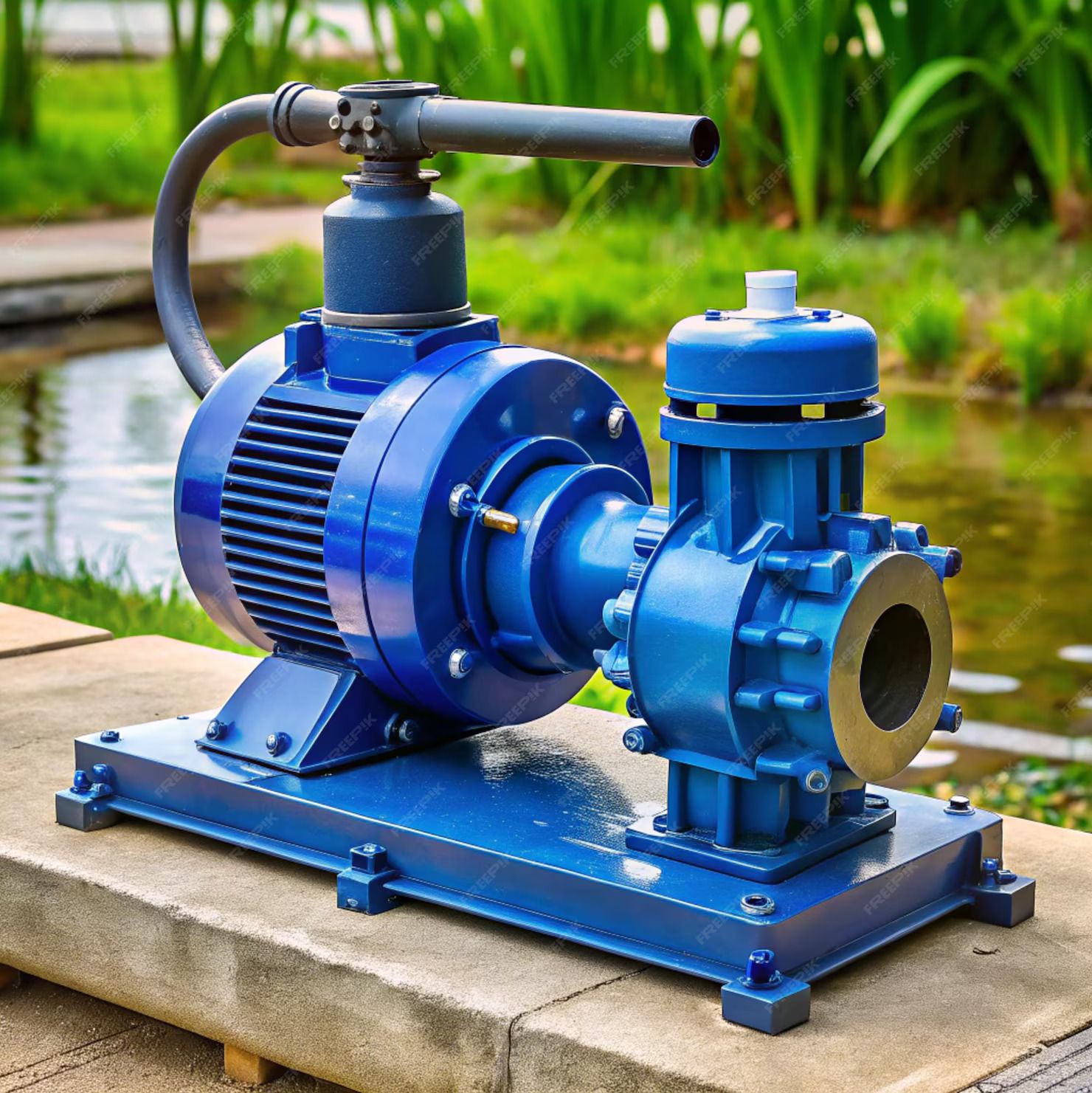
Industrial water pumps are mechanical systems designed to move water or other fluids from one location to another within large-scale operations. These systems play a critical role in industries such as manufacturing, agriculture, water treatment, mining, and energy production.
The basic principle behind a pump involves converting mechanical energy into hydraulic energy. This process creates pressure that allows water to move through pipelines, filtration systems, cooling circuits, and irrigation networks. Different industries rely on pump systems to manage water distribution, maintain cooling processes, and support wastewater handling.
Industrial pumps are usually engineered for durability and continuous operation. They must withstand high pressure, temperature changes, and heavy workloads over extended periods. Because of these conditions, engineers often choose specialized pump designs depending on the fluid characteristics, required flow rate, and system pressure.
Several common pump categories are widely used in industrial environments:
- Centrifugal pumps
- Positive displacement pumps
- Submersible pumps
- Diaphragm pumps
- Multistage pumps
Each type offers unique advantages depending on operational requirements and infrastructure design.
Why Industrial Water Pumps Matter Today
Industrial water pumps are essential for maintaining reliable water movement across critical sectors. Without these systems, many industrial operations would face disruptions in production, cooling, sanitation, and waste management.
Large facilities often depend on pump networks to maintain safe operating conditions. For example:
- Manufacturing plants rely on pumps for cooling systems
- Water treatment facilities use pumps for filtration and distribution
- Agricultural irrigation systems require pumps for water delivery
- Energy plants depend on pumps for cooling towers and circulation
As industries expand and urban populations grow, water infrastructure becomes increasingly important. Efficient pump systems help maintain water availability, reduce system failures, and support sustainable water management.
Industrial pump technology also contributes to environmental goals. Many modern pump systems are designed to improve energy efficiency, minimize water waste, and support recycling processes in wastewater treatment plants.
In regions with growing industrialization, reliable pumping infrastructure supports economic stability and operational continuity.
Recent Developments and Technology Trends
The past few years have seen notable advancements in industrial pumping technology. Manufacturers and engineering firms are focusing on digital monitoring, energy efficiency, and predictive maintenance.
Several developments observed between 2024 and early 2026 include:
• Smart Pump Monitoring Systems
Sensors and IoT platforms now allow operators to monitor pump performance in real time. These systems track pressure levels, vibration patterns, and temperature conditions.
• Energy-Efficient Pump Designs
New impeller designs and motor technologies are helping industries reduce energy consumption while maintaining high flow performance.
• Predictive Maintenance Software
Machine learning tools analyze operational data to detect early signs of wear or mechanical stress. This helps engineers plan maintenance before failures occur.
• Integration with Industrial Automation
Many pump systems are now connected with factory automation platforms, allowing centralized monitoring and automated control.
The global industrial pump market has also seen strong investment in digital infrastructure. According to industry analyses released in 2025, smart pump adoption increased significantly across water treatment facilities and chemical plants.
These innovations aim to improve reliability while reducing downtime and operational inefficiencies.
Regulations and Policy Considerations
Industrial water pumps are influenced by environmental policies, safety standards, and energy regulations. Governments often implement guidelines to ensure water systems operate safely and sustainably.
Several regulatory frameworks affect pump systems:
Energy Efficiency Standards
Many countries have introduced efficiency guidelines for industrial motors and pumping systems. These policies encourage industries to adopt equipment that consumes less electricity while maintaining operational performance.
Water Management Regulations
Industrial facilities must follow water usage regulations to ensure responsible resource management. Pump systems used in water extraction or distribution must comply with regional water authority guidelines.
Environmental Protection Laws
Facilities handling wastewater or industrial discharge must use pumping systems that support proper treatment and safe disposal. Environmental agencies often regulate how water is transported through treatment processes.
Industrial Safety Standards
Pumping systems operating under high pressure must follow mechanical safety regulations. These guidelines help prevent accidents related to system failures or pipe bursts.
Compliance with these regulations helps organizations maintain operational stability and environmental responsibility.
Useful Tools and Resources for Pump Systems
Engineers and facility managers often rely on various digital tools to understand pump performance and system efficiency. These resources help with calculations, maintenance planning, and system design.
Helpful tools include:
Pump Performance Calculators
These tools estimate flow rate, head pressure, and efficiency levels based on system specifications.
Hydraulic Simulation Software
Engineering software helps model fluid movement within pipelines and pumping networks.
Industrial Monitoring Platforms
Digital dashboards allow operators to monitor pump behavior, energy usage, and system alerts.
Maintenance Scheduling Templates
Structured templates help maintenance teams track inspection intervals and component replacements.
Engineering Reference Websites
Many engineering organizations publish technical guidelines and pump design references that help professionals understand system performance factors.
Below is a simplified reference table showing key pump parameters.
| Parameter | Description | Importance |
|---|---|---|
| Flow Rate | Volume of water moved per unit time | Determines system capacity |
| Head Pressure | Force required to move water vertically | Critical for elevation systems |
| Efficiency | Ratio of useful output to input energy | Indicates system performance |
| Power Consumption | Energy used by the pump motor | Affects operational efficiency |
Understanding these parameters helps engineers design systems that match operational needs.
Pump Efficiency Comparison Graph (Conceptual)
Industrial pump efficiency varies depending on design and operating conditions.
| Pump Type | Typical Efficiency Range |
|---|---|
| Centrifugal Pump | 60–85% |
| Multistage Pump | 70–90% |
| Diaphragm Pump | 50–70% |
| Submersible Pump | 65–88% |
| Positive Displacement Pump | 70–92% |
Higher efficiency often results in improved energy performance and reduced mechanical strain over time.
Frequently Asked Questions
What is the main purpose of industrial water pumps?
Industrial water pumps move water through systems used in manufacturing, cooling, irrigation, and water treatment. They help maintain continuous fluid flow across large operational networks.
How are centrifugal pumps different from positive displacement pumps?
Centrifugal pumps use rotating impellers to move water through centrifugal force. Positive displacement pumps move a fixed amount of fluid with each cycle using mechanical chambers.
Why is pump efficiency important?
Efficiency determines how effectively a pump converts energy into fluid movement. Higher efficiency reduces energy consumption and improves overall system performance.
What factors influence pump selection?
Engineers typically evaluate flow rate, pressure requirements, fluid properties, pipeline design, and operational environment when selecting pump systems.
How often should industrial pumps be inspected?
Inspection frequency depends on operational load and environmental conditions. Many facilities perform regular monitoring combined with scheduled maintenance programs.
Conclusion
Industrial water pumps are foundational components of modern infrastructure. They support essential operations across manufacturing plants, agricultural systems, water treatment facilities, and energy production environments.
Understanding pump types, operational principles, and system parameters helps organizations design efficient fluid management systems. Technological advancements such as digital monitoring, automation integration, and predictive maintenance tools are transforming how industries manage pumping infrastructure.
Regulatory frameworks also encourage responsible water use and energy efficiency, reinforcing the importance of well-designed pump systems.
As industrial operations continue to evolve, reliable water movement will remain a key requirement for safe and sustainable infrastructure. Knowledge about pump technologies, performance factors, and modern monitoring tools enables better planning and long-term operational stability.