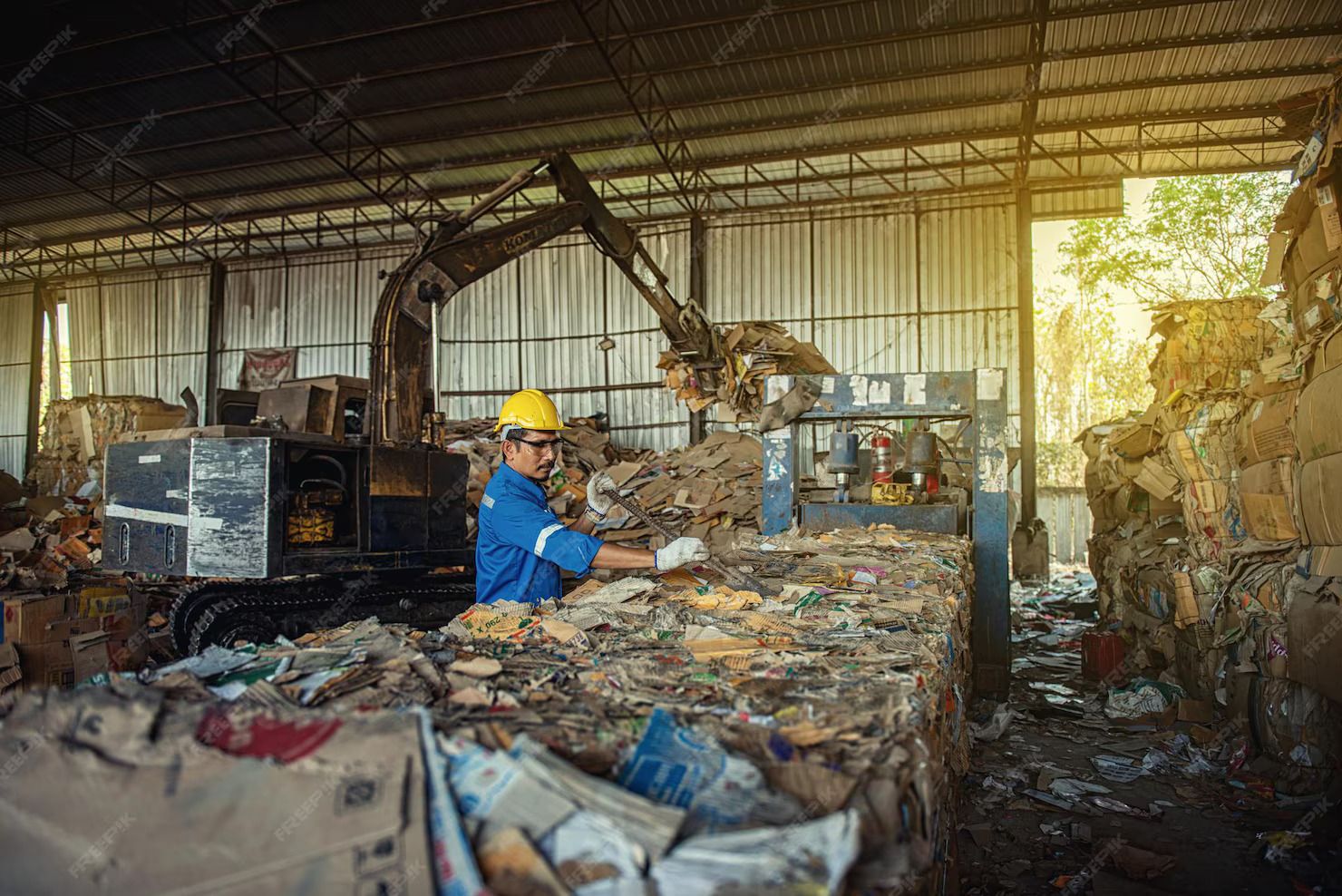
Industrial waste management refers to the processes and systems used to handle waste materials generated by manufacturing plants, processing industries, energy facilities, and large-scale production environments. Industries produce different forms of waste including solid materials, chemical byproducts, wastewater, and emissions. Managing these outputs responsibly helps reduce environmental damage and supports sustainable production systems.
Industrial activity plays an important role in modern economies. Manufacturing, construction, pharmaceuticals, chemical production, and electronics all produce materials that cannot always be reused directly. These leftover materials become industrial waste.
Common types of industrial waste include:
- Hazardous chemical waste
- Heavy metal residues
- Industrial sludge
- Contaminated wastewater
- Non-hazardous manufacturing byproducts
Industrial waste management exists to control how these materials are collected, treated, stored, and disposed of safely. Without proper handling, industrial waste can contaminate water sources, soil, and air quality.
Modern waste management systems aim to minimize environmental impact while allowing industries to operate efficiently.
Why Industrial Waste Management Matters Today
Industrial waste management has become increasingly important as global production continues to expand. According to international environmental studies, industrial activities contribute a significant portion of hazardous waste worldwide.
The topic matters because industrial waste affects multiple areas of society.
Environmental protection is one major factor. Improper waste disposal can lead to:
- Groundwater contamination
- Soil degradation
- Toxic air emissions
- Ecosystem damage
Human health is also closely connected to industrial waste practices. Exposure to untreated chemical waste may increase risks of respiratory conditions, waterborne diseases, and long-term environmental health issues.
Industrial waste management also supports sustainable development goals. Governments and environmental organizations encourage industries to reduce waste through recycling, cleaner production technologies, and resource recovery methods.
The topic affects a wide range of stakeholders:
| Stakeholder | Impact |
|---|---|
| Manufacturing industries | Responsible for safe waste processing |
| Governments | Develop environmental regulations |
| Communities | Affected by pollution risks |
| Environmental agencies | Monitor compliance and safety |
Effective waste management systems help industries maintain environmental responsibility while continuing production activities.
Recent Updates and Trends in Industrial Waste Management (2024–2025)
Industrial waste management continues to evolve as new technologies and sustainability strategies emerge.
During 2024, several trends influenced how industries approach waste management.
Automation and AI monitoring
Advanced monitoring systems now track waste generation and treatment efficiency in real time. Sensors and AI-driven analytics help identify inefficiencies in waste treatment facilities.
Circular economy strategies
Many industries are shifting toward circular production models where waste materials are reused as resources. This approach reduces landfill disposal and improves resource efficiency.
Digital waste tracking systems
In 2025, digital platforms are becoming more common for tracking hazardous waste movement. These systems record transport, treatment, and storage data to improve transparency.
Industrial wastewater treatment improvements
Recent developments include membrane filtration systems and biological treatment technologies designed to reduce chemical pollutants before wastewater enters natural water systems.
Sustainability reporting
Companies increasingly publish environmental reports showing how they manage industrial waste and reduce emissions. These reports support environmental accountability and regulatory compliance.
Example of emerging technologies in industrial waste management:
| Technology | Purpose |
|---|---|
| AI waste monitoring | Identifies inefficiencies in treatment systems |
| Smart sensors | Track chemical levels and waste output |
| Membrane filtration | Removes contaminants from wastewater |
| Waste-to-energy processes | Converts industrial waste into usable energy |
These innovations help industries improve environmental performance while maintaining operational efficiency.
Laws and Environmental Policies Affecting Industrial Waste
Industrial waste management is heavily regulated worldwide. Governments implement environmental laws to reduce pollution risks and ensure responsible waste handling.
In India, several important regulations influence industrial waste management.
Hazardous and Other Wastes (Management and Transboundary Movement) Rules, 2016
This regulation establishes guidelines for the handling, storage, treatment, and disposal of hazardous industrial waste. It also controls cross-border movement of hazardous materials.
Environment Protection Act, 1986
This act provides a legal framework for environmental protection in India. It empowers authorities to regulate industrial pollution and enforce waste management standards.
Central Pollution Control Board (CPCB)
The CPCB monitors industrial pollution and establishes waste treatment guidelines. Industries must follow CPCB standards for hazardous waste processing and wastewater discharge.
State Pollution Control Boards
State authorities supervise compliance and ensure industries follow environmental regulations within each region.
Important compliance requirements typically include:
- Waste classification and labeling
- Proper storage and containment procedures
- Transportation tracking for hazardous materials
- Approved treatment and disposal facilities
Industries must regularly report environmental data to regulators to demonstrate compliance with these policies.
Tools and Resources Related to Industrial Waste Management
Modern industrial waste management relies on a variety of digital tools and technical resources. These solutions help organizations monitor waste production, ensure compliance, and improve efficiency.
Useful tools and resources include:
Environmental Monitoring Platforms
Digital platforms help track waste generation, treatment efficiency, and regulatory compliance.
Waste Audit Templates
Waste audit frameworks help organizations measure how much waste they generate and identify opportunities for reduction.
Environmental Impact Assessment (EIA) Software
EIA tools evaluate how industrial activities affect surrounding ecosystems and communities.
Waste Tracking Systems
Digital tracking platforms record how hazardous waste moves from production sites to treatment facilities.
Life Cycle Assessment (LCA) Tools
LCA tools analyze the environmental impact of products from raw material extraction to disposal.
Examples of resource categories used in industrial waste management:
| Resource Type | Function |
|---|---|
| Waste tracking platforms | Monitor waste transportation |
| Environmental databases | Store pollution and waste data |
| Compliance management tools | Track regulatory requirements |
| Sustainability reporting tools | Document environmental performance |
These resources help industries make informed decisions about waste reduction and environmental compliance.
Frequently Asked Questions
What is industrial waste management?
Industrial waste management refers to the processes used to collect, treat, store, and dispose of waste produced by manufacturing and industrial activities. These systems aim to reduce environmental pollution and maintain safe handling practices.
What are the main types of industrial waste?
Industrial waste typically includes hazardous chemicals, heavy metals, contaminated water, sludge from treatment plants, and solid manufacturing byproducts. Each type requires specific handling procedures.
How do industries reduce waste generation?
Industries reduce waste through improved production efficiency, recycling materials, adopting cleaner technologies, and implementing circular economy strategies that reuse resources.
Why are industrial waste regulations important?
Environmental regulations protect ecosystems and human health. They ensure that hazardous materials are handled safely and prevent industries from releasing untreated pollutants.
What technologies are used in industrial waste treatment?
Common technologies include chemical treatment systems, biological wastewater treatment, membrane filtration, waste-to-energy processes, and automated monitoring systems.
Conclusion
Industrial waste management plays a vital role in balancing economic development with environmental responsibility. As global manufacturing continues to grow, managing industrial waste effectively becomes increasingly important.
Proper waste management systems help protect ecosystems, reduce pollution risks, and support sustainable industrial operations. Governments enforce environmental regulations to ensure industries follow safe waste handling procedures and protect public health.
Recent advancements in monitoring technology, digital waste tracking, and circular economy practices are transforming how industries approach waste management. These developments allow organizations to reduce waste generation, improve resource efficiency, and maintain compliance with environmental standards.
Understanding industrial waste management helps businesses, policymakers, and communities recognize the importance of responsible waste handling. As environmental awareness continues to increase, sustainable waste management practices will remain essential for protecting natural resources and supporting long-term industrial growth.