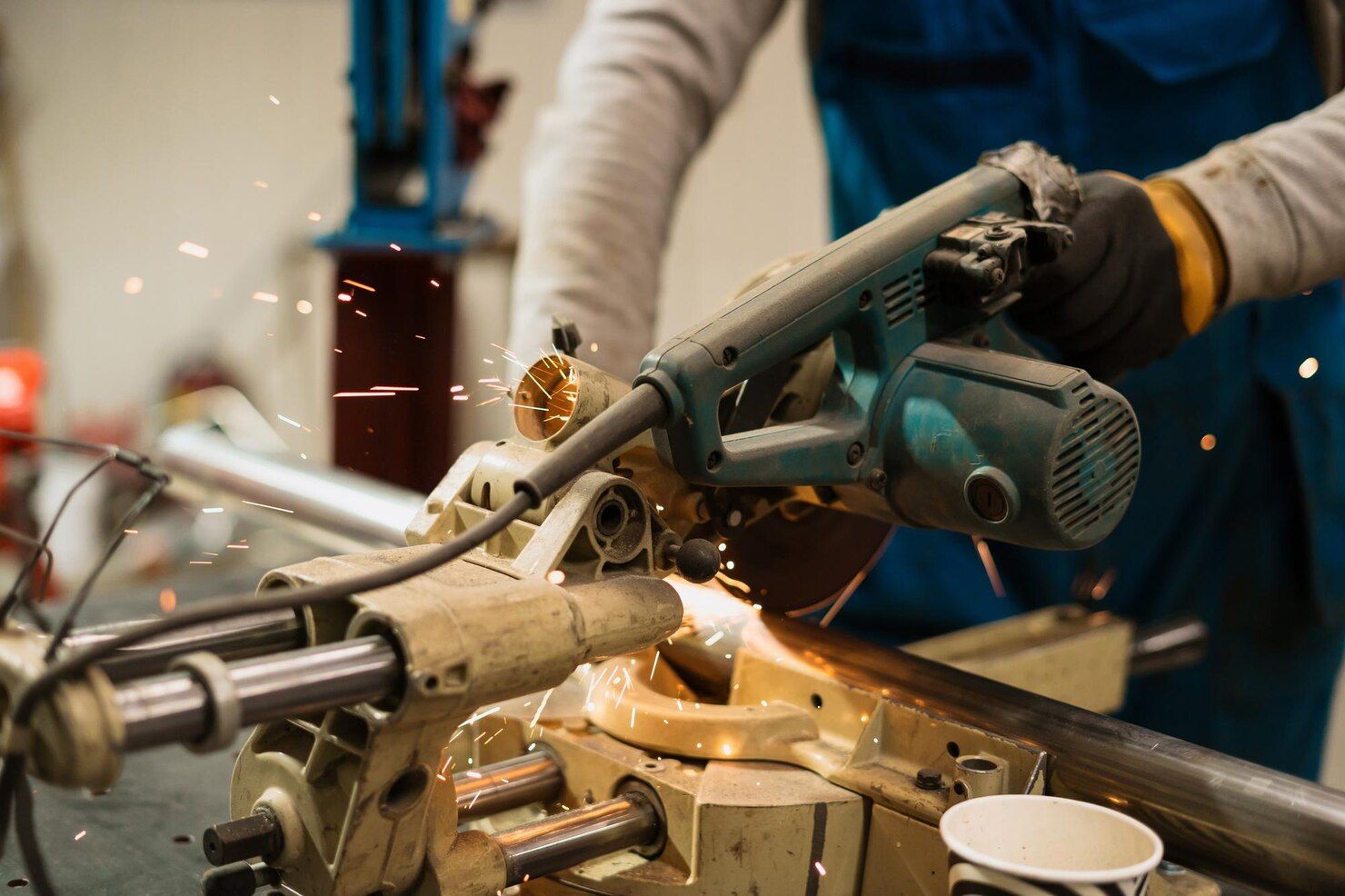
Industrial equipment refers to machinery, tools, and mechanical systems used in manufacturing, construction, energy production, and large-scale industrial operations. These machines are designed to perform specialized tasks such as processing raw materials, assembling products, generating power, or transporting goods within industrial facilities.
Industrial equipment exists because modern industries require efficient and consistent production processes. Large factories and production plants rely on machines to complete complex operations that would be difficult or impossible to perform manually.
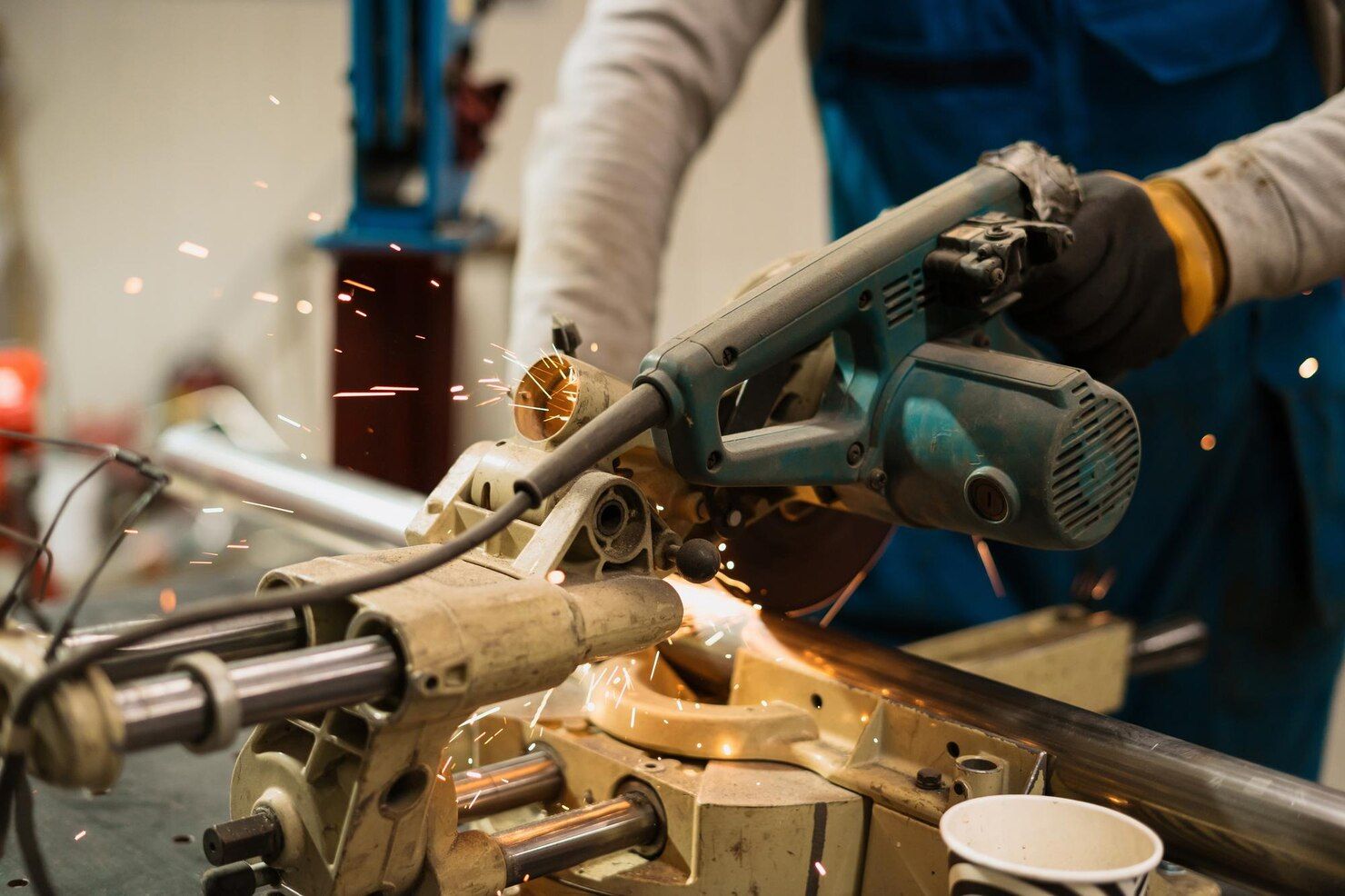
Examples of industrial equipment include:
- CNC machines
- Industrial robots
- Conveyor systems
- Compressors
- Pumps
- Boilers
- Generators
- Industrial sensors
These systems operate together within industrial environments such as manufacturing plants, warehouses, construction sites, and power generation facilities.
Industrial equipment also plays an important role in automation. Many modern factories use advanced machinery controlled by software systems to maintain production accuracy and efficiency.
Why Industrial Equipment Matters in Modern Industries
Industrial equipment plays a central role in global manufacturing and infrastructure development. Without these machines, industries would struggle to produce materials and products at the scale required by modern economies.
Key reasons why industrial equipment is important include:
• Production efficiency – Machines perform repetitive tasks quickly and consistently.
• Precision engineering – Automated equipment improves accuracy in manufacturing.
• Safety improvements – Heavy or hazardous tasks can be handled by machines instead of workers.
• Scalability – Industrial systems allow factories to increase production capacity.
• Energy management – Equipment helps control and optimize energy use in large facilities.
Industries that rely heavily on industrial equipment include:
| Industry | Equipment Examples | Purpose |
|---|---|---|
| Manufacturing | CNC machines, robotics | Product fabrication |
| Construction | Cranes, excavators | Infrastructure development |
| Energy | Turbines, generators | Power generation |
| Oil and Gas | Pumps, compressors | Resource extraction |
| Logistics | Conveyor systems | Material transport |
Industrial equipment also helps address global challenges such as supply chain demand, infrastructure development, and energy production.
As industries grow and technology evolves, machinery systems continue to become more advanced, integrating sensors, artificial intelligence, and automated control systems.
Industrial Equipment Technology Trends
Over the past year, industrial equipment development has focused on automation, digital monitoring, and sustainability.
Several important industry trends have emerged during 2024–2025.
1. Industrial Automation Expansion
Manufacturers are increasingly adopting robotic systems and automated machinery. Automation improves production speed and reduces operational errors.
Industrial robots are now commonly used for:
- Assembly processes
- Packaging operations
- Welding and fabrication
- Material handling
2. Industrial Internet of Things (IIoT)
Connected sensors allow machines to communicate operational data in real time. This technology is known as the Industrial Internet of Things.
Benefits include:
- Equipment performance monitoring
- Predictive maintenance insights
- Production optimization
- Data-driven decision making
3. Energy-Efficient Machinery
Industries are focusing on equipment that reduces energy consumption and emissions.
Recent developments include:
- Smart motor systems
- Energy-efficient compressors
- Automated energy management software
4. Artificial Intelligence in Manufacturing
AI technologies are being integrated into industrial equipment to improve quality control and predictive maintenance.
AI systems analyze machine data to detect unusual patterns that may indicate mechanical issues before failures occur.
The following chart summarizes the influence of new technologies on industrial equipment operations.
| Technology | Main Function | Industry Impact |
|---|---|---|
| Robotics | Automated production | Higher efficiency |
| IIoT Sensors | Real-time monitoring | Data visibility |
| AI Analytics | Predictive maintenance | Reduced downtime |
| Smart Controls | Process optimization | Energy savings |
These trends highlight how industrial equipment continues to evolve as industries adopt digital technologies.
Regulations and Industrial Safety Policies
Industrial equipment operation is governed by safety regulations and engineering standards in many countries. These rules help protect workers, ensure equipment reliability, and maintain environmental compliance.
Several organizations and regulatory frameworks influence industrial equipment guidelines.
One example is the Occupational Safety and Health Administration, which provides workplace safety standards for machinery and industrial environments.
Another important standards organization is International Organization for Standardization, commonly known as ISO. ISO publishes international guidelines for equipment quality, manufacturing processes, and safety management systems.
In many countries, industrial machinery must comply with standards related to:
- Machine guarding requirements
- Electrical safety protocols
- Industrial noise limits
- Hazardous material handling
- Worker training procedures
Environmental regulations also affect industrial equipment usage. Governments often introduce policies encouraging energy-efficient technologies and reduced emissions.
For example, several countries introduced updated industrial sustainability policies during 2024, encouraging manufacturers to adopt cleaner energy systems and digital monitoring technologies.
These policies encourage industries to operate equipment responsibly while improving safety and environmental performance.
Tools and Resources for Industrial Equipment Knowledge
Understanding industrial equipment often requires access to technical tools, software platforms, and educational resources. These tools help engineers, technicians, and researchers analyze machinery performance and learn about industrial systems.
Common tools and resources include:
• Computer-Aided Design (CAD) software for equipment design
• Industrial monitoring dashboards for machine performance analysis
• Predictive maintenance platforms for analyzing machine health
• Engineering calculators for load, pressure, and power requirements
• Technical documentation databases for machinery specifications
Several widely used digital platforms support industrial learning and engineering workflows.
Examples include:
- AutoCAD – engineering design and drafting software
- SolidWorks – mechanical design and simulation software
- MATLAB – engineering analysis and data modeling platform
Educational resources are also available through technical universities, engineering organizations, and industrial training programs.
These resources help professionals understand machinery design, maintenance practices, and industrial automation systems.
Industrial Equipment Categories
Industrial equipment can be grouped into several categories depending on its purpose within production systems.
| Equipment Category | Description | Example Systems |
|---|---|---|
| Processing Equipment | Used to transform raw materials | Mixers, reactors |
| Material Handling Equipment | Moves materials inside facilities | Conveyors, forklifts |
| Power Equipment | Generates mechanical or electrical power | Generators, turbines |
| Fabrication Equipment | Shapes materials into products | CNC machines |
| Environmental Equipment | Controls emissions or waste | Filters, treatment systems |
Each category supports different stages of industrial production.
For example:
- Fabrication equipment shapes materials into finished components.
- Processing equipment alters chemical or physical properties of raw materials.
- Material handling equipment transports goods between production stages.
These systems often work together in integrated manufacturing environments.
Frequently Asked Questions About Industrial Equipment
What is considered industrial equipment?
Industrial equipment includes machines and mechanical systems used in manufacturing, construction, energy production, and large-scale industrial operations. Examples include pumps, compressors, CNC machines, and conveyor systems.
How is industrial equipment different from regular machinery?
Industrial equipment is designed for heavy-duty operations and continuous use in production environments. It typically handles higher workloads and operates under strict safety and performance standards.
Why is industrial automation increasing?
Automation improves efficiency, production speed, and accuracy. It also helps industries manage labor shortages and reduce operational risks.
What skills are needed to understand industrial equipment?
Basic knowledge of mechanical engineering, electrical systems, and industrial processes helps in understanding how machinery works. Technical training programs and engineering courses often provide this knowledge.
How does predictive maintenance work?
Predictive maintenance uses sensors and data analytics to monitor equipment performance. When abnormal patterns appear, maintenance teams can inspect machines before mechanical failures occur.
Conclusion
Industrial equipment forms the foundation of modern manufacturing and infrastructure development. From robotic assembly systems to power generators and processing machines, these technologies support industries across the world.
The importance of industrial equipment continues to grow as industries adopt automation, digital monitoring systems, and energy-efficient technologies. Innovations such as artificial intelligence, connected sensors, and smart manufacturing platforms are transforming how machines operate in industrial environments.
Regulatory standards and safety guidelines also play an essential role in ensuring that machinery operates reliably while protecting workers and the environment.
As technology evolves, industrial equipment will remain a critical component of global production systems, supporting industries that shape modern economies and supply chains.