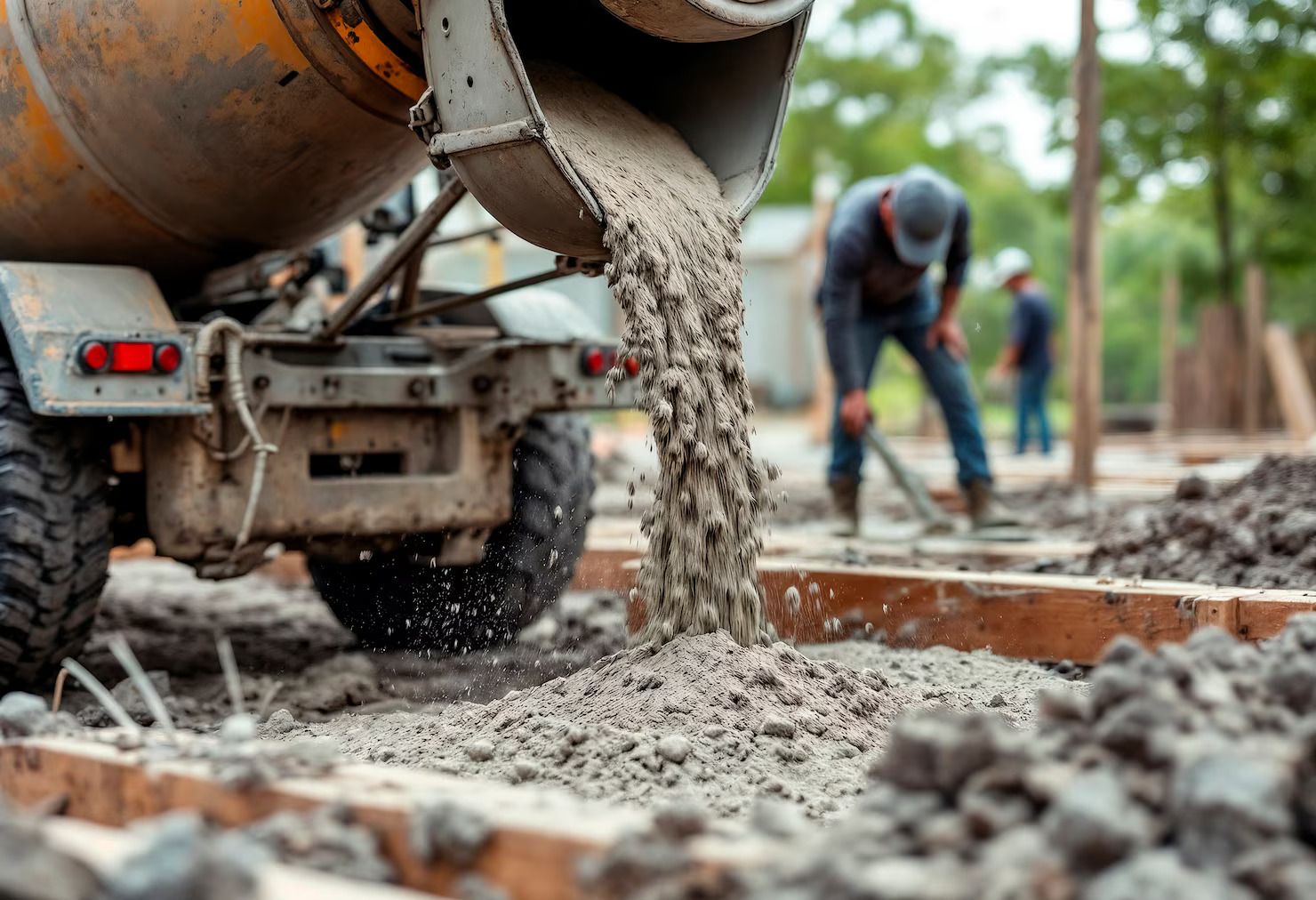
Concrete mixing equipment plays an essential role in modern construction. Buildings, bridges, roads, and infrastructure depend on properly mixed concrete to maintain strength and durability. Understanding how concrete mixers work helps engineers, contractors, and learners gain better insight into construction processes.
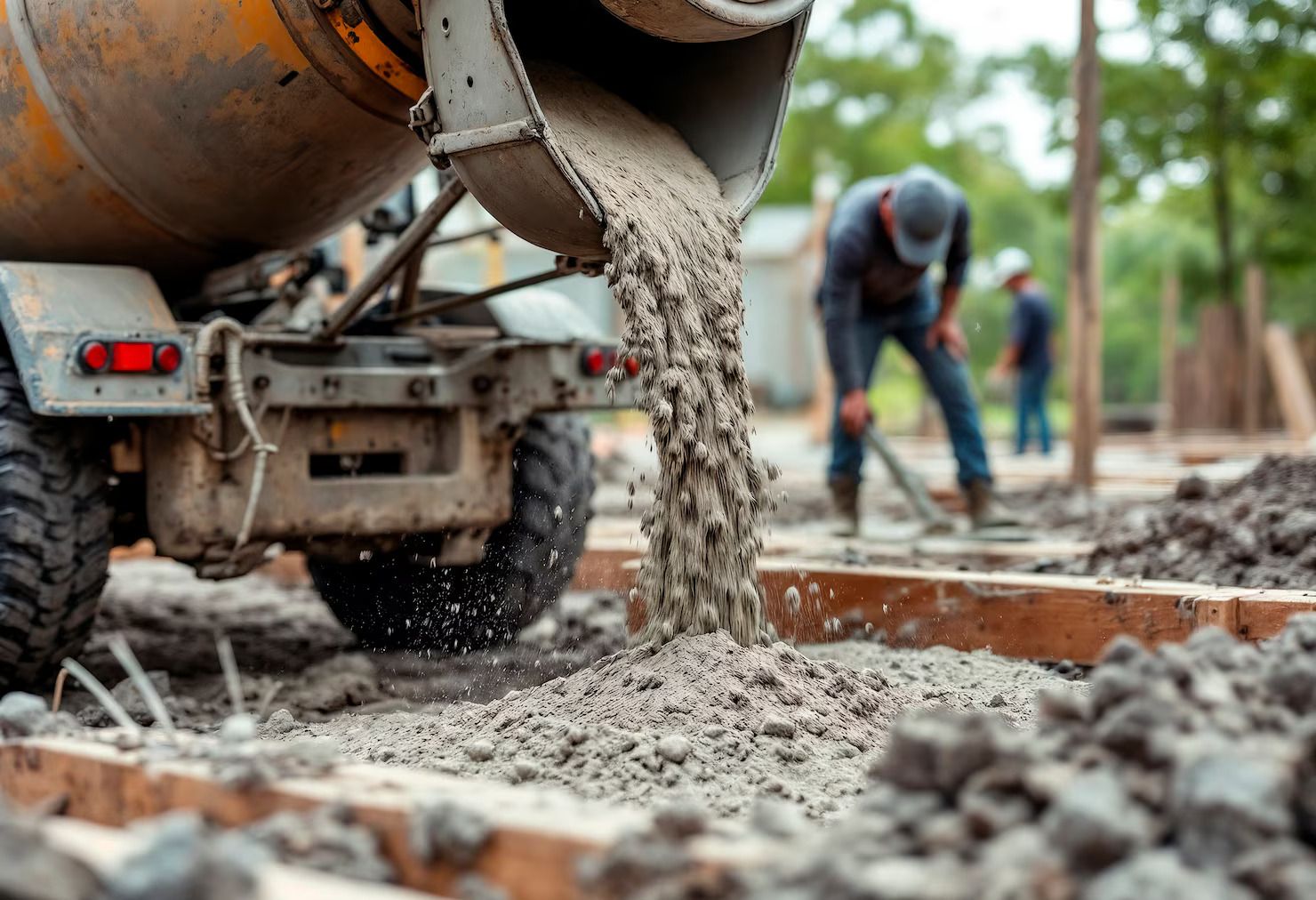 This guide explains concrete mixers, their importance, industry trends, regulatory considerations, and practical tools used in construction environments.
Understanding Concrete Mixers and Their Role in Construction
Concrete mixers are machines designed to combine cement, sand, aggregates, and water to create concrete. The mixing process ensures that these materials blend evenly so the final mixture gains the required strength and consistency.
Without proper mixing equipment, concrete may harden unevenly or lose structural integrity. Concrete mixers solve this challenge by rotating or agitating materials in a drum or container until the mixture becomes uniform.
Concrete mixers are commonly used in:
- Residential building construction
- Infrastructure projects such as roads and bridges
- Industrial facility development
- Commercial building projects
- Large-scale civil engineering operations
The basic purpose of a concrete mixer is simple: produce consistent and reliable concrete for structural work.
Why Concrete Mixers Matter in Modern Construction
Construction projects today demand precision and efficiency. Concrete mixers help ensure that building materials meet engineering standards and structural requirements.
Several factors make these machines important in modern construction:
• Consistency of material
Uniform mixing prevents weak spots in concrete structures.
• Time efficiency
Mixers prepare concrete quickly, which helps construction teams maintain project timelines.
• Large-scale project capability
Infrastructure projects require significant amounts of concrete, and mixers support continuous production.
• Improved safety and structural performance
Well-mixed concrete reduces risks related to cracking or structural failure.
The construction industry has expanded rapidly over the past decade. According to infrastructure development reports in multiple regions, urbanization and public infrastructure investments have increased the demand for reliable mixing equipment.
Concrete mixers therefore remain a key component in building modern cities and transportation networks.
Major Types of Concrete Mixers
Different construction projects require different mixing technologies. The most common mixer types are designed to handle specific mixing volumes and working conditions.
| Mixer Type | Key Characteristics | Typical Applications |
|---|---|---|
| Drum Mixer | Rotating drum mixes ingredients continuously | Road and building construction |
| Batch Mixer | Mixes concrete in separate batches | Medium construction projects |
| Twin Shaft Mixer | High-speed mixing for uniform results | Large infrastructure projects |
| Pan Mixer | Circular pan with rotating blades | Precast concrete manufacturing |
| Truck Mixer | Transport and mix concrete during delivery | Ready-mix concrete transportation |
Each mixer type supports different project sizes and production needs.
Basic Components of a Concrete Mixer
Although designs vary, most concrete mixers share several common components.
• Mixing Drum – Rotating chamber where materials combine
• Motor or Engine – Provides power to rotate the drum
• Blades or Paddles – Help mix materials evenly
• Frame and Support Structure – Stabilizes the machine during operation
• Control Panel – Allows operators to control mixing speed and duration
These components work together to ensure that raw materials transform into a consistent concrete mixture.
Concrete Mixing Process
The mixing process generally follows several steps.
-
Material loading
Cement, aggregates, sand, and water are placed inside the mixer. -
Mixing rotation
The drum rotates while internal blades blend the ingredients. -
Consistency adjustment
Operators may adjust water levels or mixing time depending on the project requirements. -
Discharge
The finished concrete mixture is released for placement in construction forms.
The efficiency of this process helps construction teams maintain productivity on building sites.
Recent Developments and Industry Trends (2024–2025)
The construction equipment industry continues to adopt new technologies. Several developments related to concrete mixers have emerged in the past year.
Automation and digital monitoring
In 2024, construction equipment manufacturers introduced smart monitoring systems that track mixer performance and mixing cycles. These systems help maintain consistency in concrete production.
Energy-efficient machinery
Sustainability initiatives have encouraged manufacturers to develop electric or hybrid concrete mixers that reduce fuel consumption and emissions.
Improved mixing technology
Modern twin-shaft mixers and advanced drum designs introduced during 2025 equipment exhibitions focus on faster mixing speeds and better material distribution.
Integration with construction management systems
Some equipment now connects with digital construction platforms, allowing project managers to track material usage and mixing volumes more accurately.
These innovations aim to improve efficiency, reduce waste, and support sustainable construction practices.
Construction Regulations and Policy Considerations
Concrete production and construction equipment often operate under government regulations and safety standards.
Several regulatory frameworks influence the use of mixing equipment.
Construction safety regulations
Many countries require operators to follow workplace safety guidelines when using heavy construction machinery. These rules focus on equipment operation, worker safety, and maintenance procedures.
Environmental policies
Environmental agencies have introduced guidelines for controlling dust emissions, noise levels, and fuel efficiency in construction equipment.
Quality standards for concrete
Construction standards organizations publish technical guidelines for concrete composition and mixing procedures. These standards ensure structural reliability in buildings and infrastructure.
Government infrastructure programs
Public infrastructure projects frequently follow national engineering standards, which influence the types of equipment and mixing methods used during construction.
These policies help ensure that construction projects meet safety, environmental, and engineering requirements.
Tools and Resources for Learning About Concrete Mixers
Professionals and learners often rely on digital tools and reference materials to understand mixing technology and construction practices.
Helpful resources include:
• Concrete mix design calculators
Tools that estimate ratios of cement, sand, aggregates, and water.
• Construction project planning software
Platforms that track material requirements and construction progress.
• Engineering reference guides
Manuals explaining concrete composition, structural properties, and mixing methods.
• Construction equipment manuals
Technical documentation describing mixer operation and maintenance.
• Educational websites and training platforms
Online learning resources focused on civil engineering and construction technology.
These resources help improve knowledge and support better decision-making during construction planning.
Concrete Mixer Efficiency Comparison
| Factor | Small Portable Mixer | Industrial Mixer |
|---|---|---|
| Mixing Capacity | Low | High |
| Typical Use | Small construction sites | Infrastructure projects |
| Mixing Speed | Moderate | Fast |
| Automation Level | Limited | Advanced monitoring systems |
| Output Consistency | Moderate | High precision |
This comparison highlights how different mixer categories support different construction environments.
Frequently Asked Questions
What is the main function of a concrete mixer?
A concrete mixer combines cement, sand, aggregates, and water into a uniform mixture. This process ensures that the concrete achieves the required strength and consistency for construction use.
What industries commonly use concrete mixers?
Concrete mixers are widely used in construction, infrastructure development, civil engineering, and precast concrete manufacturing.
How long does concrete mixing typically take?
Mixing time depends on the equipment and batch size. Many mixers complete a mixing cycle in approximately 1 to 3 minutes to ensure proper material distribution.
What factors influence concrete mixing quality?
Important factors include mixing time, material proportions, equipment design, and operator control during the mixing process.
Are there environmental considerations when using concrete mixers?
Yes. Environmental guidelines often address dust control, noise levels, and fuel efficiency to reduce the environmental impact of construction activities.
Conclusion
Concrete mixers are fundamental machines in the construction industry. They help combine essential materials into a reliable mixture used in buildings, infrastructure, and engineering projects.
From small portable mixers used on local construction sites to advanced industrial machines supporting major infrastructure development, these machines play a central role in modern construction processes.
Recent technological developments—including automation, digital monitoring, and energy-efficient equipment—continue to improve how concrete is produced and used. At the same time, regulations and engineering standards ensure that mixing processes maintain safety and structural reliability.
By understanding how concrete mixers operate and why they are important, construction professionals and learners gain valuable knowledge about one of the most essential technologies in the building industry.