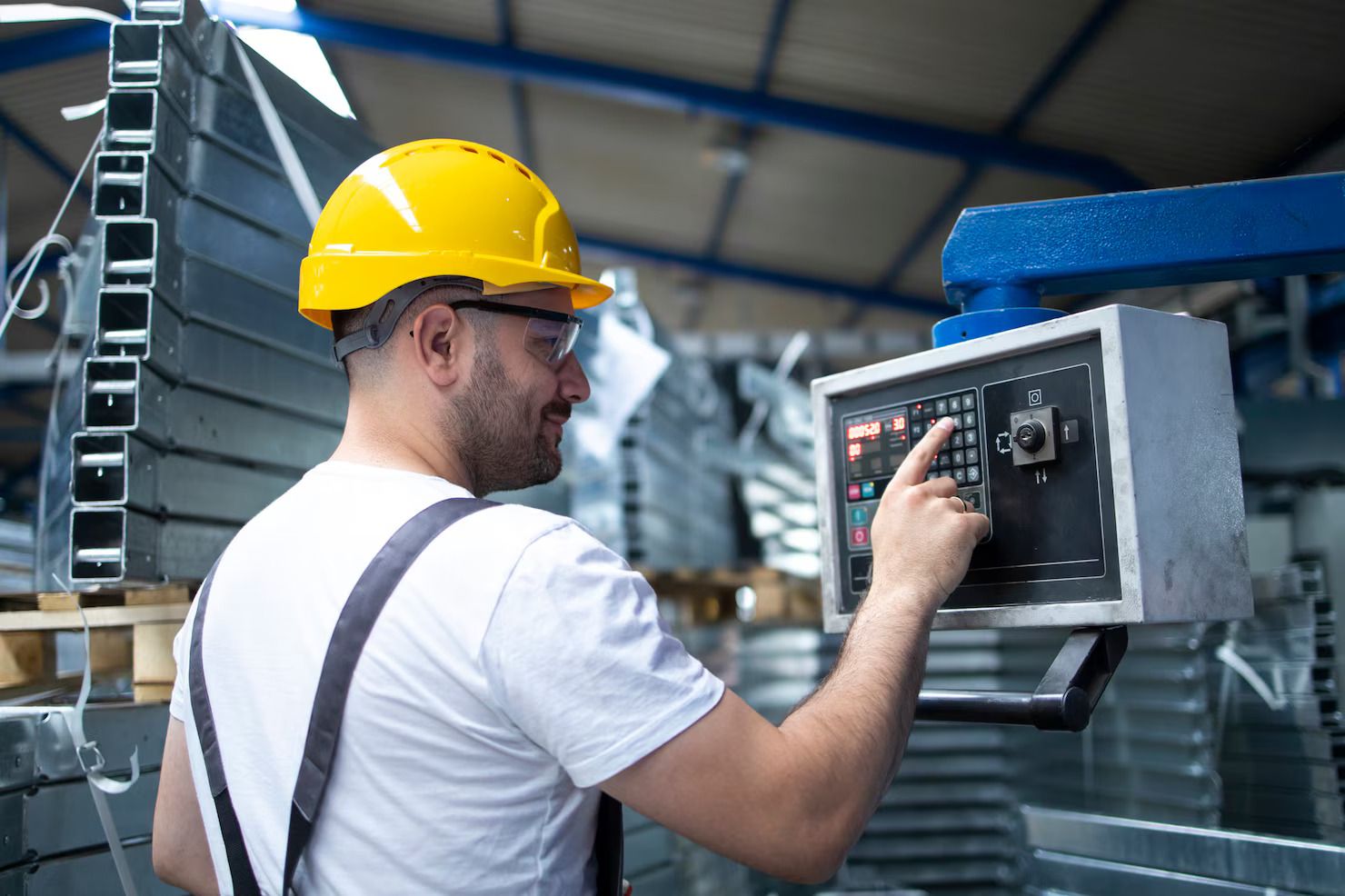
Computer Numerical Control (CNC) control systems are digital platforms that operate manufacturing machines using programmed instructions. These systems guide machines such as milling machines, lathes, routers, and grinding equipment to perform precise cutting, drilling, and shaping operations.
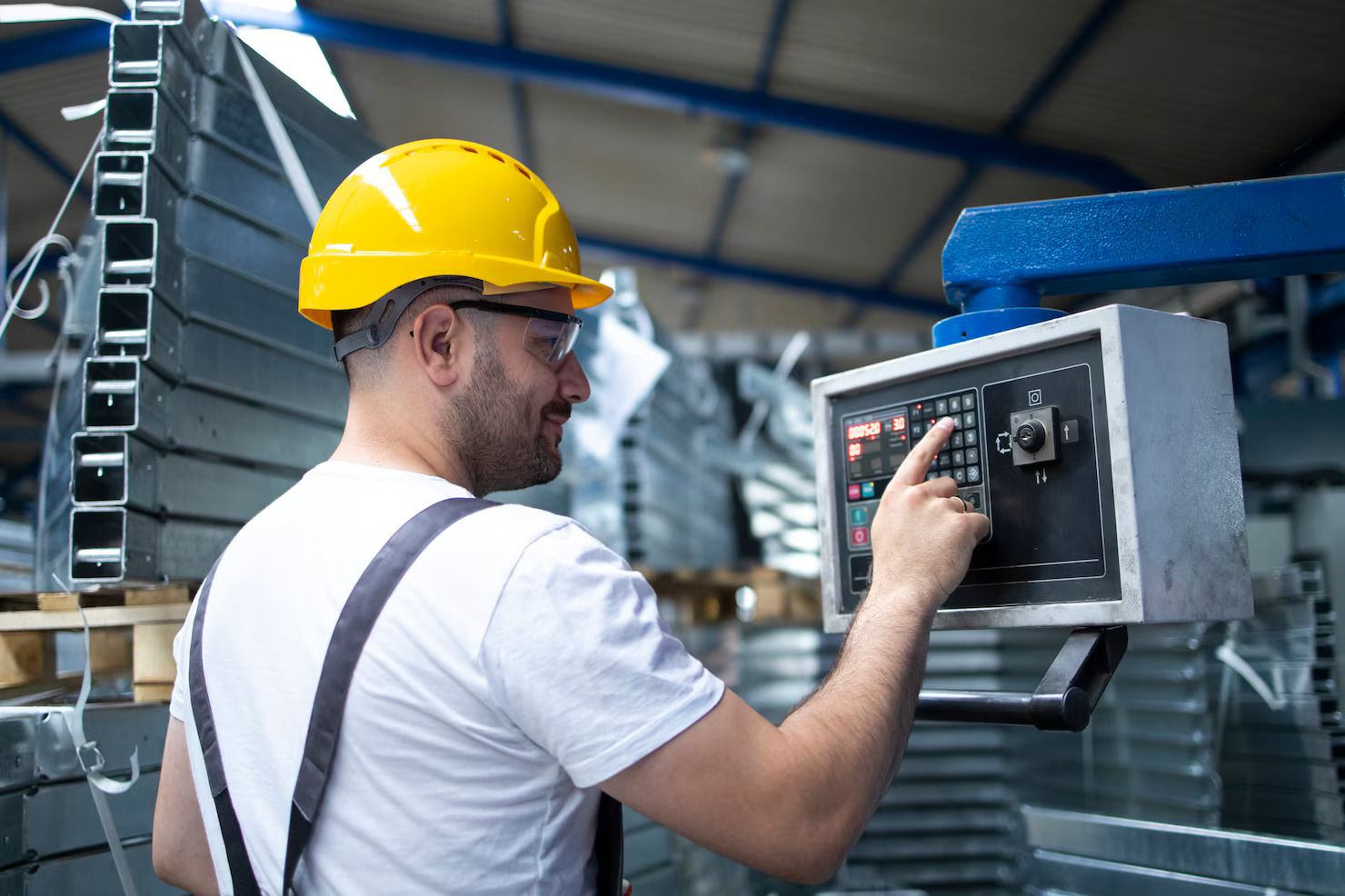 In traditional machining, operators manually controlled machines using mechanical adjustments. CNC control systems replaced this manual process with computer-driven instructions known as G-code and M-code. These commands allow machines to perform complex movements and repetitive tasks with extremely high accuracy.
Modern CNC control systems combine software, sensors, motors, and processors to coordinate machine motion in multiple axes. The controller reads the digital program, interprets the instructions, and directs servo motors to move tools and materials precisely.
This technology exists because modern industries require consistent quality, faster production cycles, and the ability to manufacture complex parts that would be difficult to produce manually. CNC control systems therefore form the technological backbone of modern manufacturing.
Industries relying on CNC automation include:
- Aerospace component manufacturing
- Automotive engine and transmission parts
- Medical device fabrication
- Electronics manufacturing
- Industrial machinery production
By integrating digital instructions with machine hardware, CNC control systems enable factories to maintain repeatability and precision across large production volumes.
Why CNC Control Systems Matter in Modern Manufacturing
Manufacturing industries today demand extremely tight tolerances, faster production speeds, and reliable automation. CNC control systems address these requirements by enabling consistent and programmable machining processes.
Precision engineering is one of the most significant benefits of CNC control technology. The systems can position tools with micron-level accuracy, allowing manufacturers to create intricate parts used in aircraft engines, surgical equipment, and electronic components.
Another reason CNC control systems are important is productivity. Once a machining program is created, the same process can be repeated thousands of times without variations. This reduces human error and improves manufacturing efficiency.
Key advantages of CNC control systems include:
- High machining accuracy and repeatability
- Reduced manual intervention in production
- Ability to manufacture complex geometries
- Consistent product quality
- Integration with digital manufacturing platforms
The systems also help industries address workforce challenges. Skilled machinists remain important, but CNC automation allows fewer operators to manage multiple machines simultaneously.
The growing adoption of smart manufacturing and Industry 4.0 technologies has further increased the relevance of CNC control systems. These systems now connect with factory networks, data monitoring platforms, and predictive maintenance tools.
Recent Developments in CNC Control Systems (2024–2025)
Over the past year, several technological trends have reshaped CNC control system capabilities. Manufacturers are increasingly integrating digital technologies that improve machine performance and data analysis.
One notable trend in 2024 has been the expansion of AI-assisted machining optimization. CNC controllers now analyze production data and adjust machining parameters to improve tool life and cutting efficiency.
Another development is cloud connectivity. Modern CNC systems can transmit machine data to centralized platforms where engineers monitor machine performance and production statistics.
Important trends observed between 2024 and early 2025 include:
- Increased integration of Industrial Internet of Things (IIoT) sensors
- Cloud-based machine monitoring dashboards
- Real-time machine diagnostics and alerts
- AI-driven predictive maintenance models
- Digital twin simulations for machining processes
Some manufacturers also introduced advanced graphical user interfaces that make CNC programming easier to learn. Visual programming environments allow operators to simulate tool paths before machining begins.
These developments reflect the broader transition toward digital factories where machines, software, and analytics systems work together to improve productivity.
Regulations and Standards Affecting CNC Control Systems
Manufacturing technology, including CNC control systems, is influenced by industrial safety regulations and technical standards. These rules ensure that automated machines operate safely and maintain quality in production.
Different countries maintain their own regulatory frameworks, but several international standards guide CNC machine safety and performance.
Common regulatory areas include:
- Machine operator safety requirements
- Electrical system standards
- Industrial automation compliance
- Quality management frameworks
In many manufacturing environments, CNC machines must comply with ISO standards related to machine safety and quality management.
For example:
| Standard | Purpose | Industry Impact |
|---|---|---|
| ISO 9001 | Quality management systems | Ensures consistent manufacturing processes |
| ISO 23125 | Safety requirements for CNC lathes | Improves operator safety |
| IEC 60204 | Electrical safety for industrial machines | Ensures electrical system reliability |
Government manufacturing initiatives may also encourage adoption of digital manufacturing systems. Programs promoting advanced manufacturing technologies often support the integration of CNC automation into industrial facilities.
Compliance with these standards helps manufacturers maintain safe operations and ensures that CNC-produced parts meet strict quality specifications.
Useful Tools and Digital Resources for CNC Control Systems
Engineers, machinists, and manufacturing planners rely on various digital tools to design, program, and monitor CNC machines. These tools simplify the programming process and improve machining efficiency.
Common CNC programming and simulation tools include:
- Computer-Aided Manufacturing (CAM) software for tool path generation
- G-code simulators to test machining programs
- Machine monitoring dashboards for production analytics
- CNC parameter calculators for feed rates and cutting speeds
Below is a simple overview of commonly used CNC workflow tools.
| Tool Type | Purpose | Example Function |
|---|---|---|
| CAD Software | Design mechanical parts | 3D model creation |
| CAM Software | Convert designs to machine instructions | Toolpath generation |
| CNC Simulator | Test machining programs | Error detection |
| Machine Monitoring Platforms | Track machine performance | Production analytics |
Digital documentation platforms also help manufacturers maintain technical records such as machine parameters, tool libraries, and maintenance schedules.
These resources make CNC machining more efficient while reducing programming errors and production delays.
CNC Control System Workflow Example
The machining workflow generally follows a structured sequence that transforms a digital design into a finished component.
| Step | Process | Outcome |
|---|---|---|
| 1 | CAD design creation | 3D part model |
| 2 | CAM toolpath generation | Machining instructions |
| 3 | CNC program simulation | Error verification |
| 4 | Program transfer to controller | Machine-ready code |
| 5 | Automated machining operation | Finished component |
This structured workflow ensures that parts are produced accurately and consistently.
Frequently Asked Questions About CNC Control Systems
What is the main function of a CNC control system?
A CNC control system interprets digital machining instructions and directs machine tools to perform cutting, drilling, or shaping operations with high precision.
How do CNC machines follow instructions?
CNC machines use programming languages such as G-code. The control system reads these instructions and converts them into precise movements of motors and machine axes.
Are CNC control systems used only in large factories?
No. CNC machines are used in a wide range of environments including small workshops, prototyping labs, and educational institutions.
What skills are useful for understanding CNC systems?
Basic knowledge of mechanical engineering, programming logic, and manufacturing processes helps in understanding CNC control systems.
How accurate are CNC machines?
Modern CNC machines can achieve tolerances within a few microns depending on machine design, tooling, and programming accuracy.
Conclusion
CNC control systems play a fundamental role in modern manufacturing by combining digital programming with mechanical precision. These systems allow industries to produce complex components with consistency and efficiency.
As manufacturing technologies continue evolving, CNC controllers are becoming more intelligent, connected, and data-driven. The integration of AI, cloud platforms, and industrial automation is transforming CNC machines into smart production tools.
Understanding CNC control systems is therefore essential for anyone interested in modern manufacturing technologies, industrial automation, or precision engineering. Through digital control, advanced programming, and automated workflows, CNC systems remain a cornerstone of global industrial production.