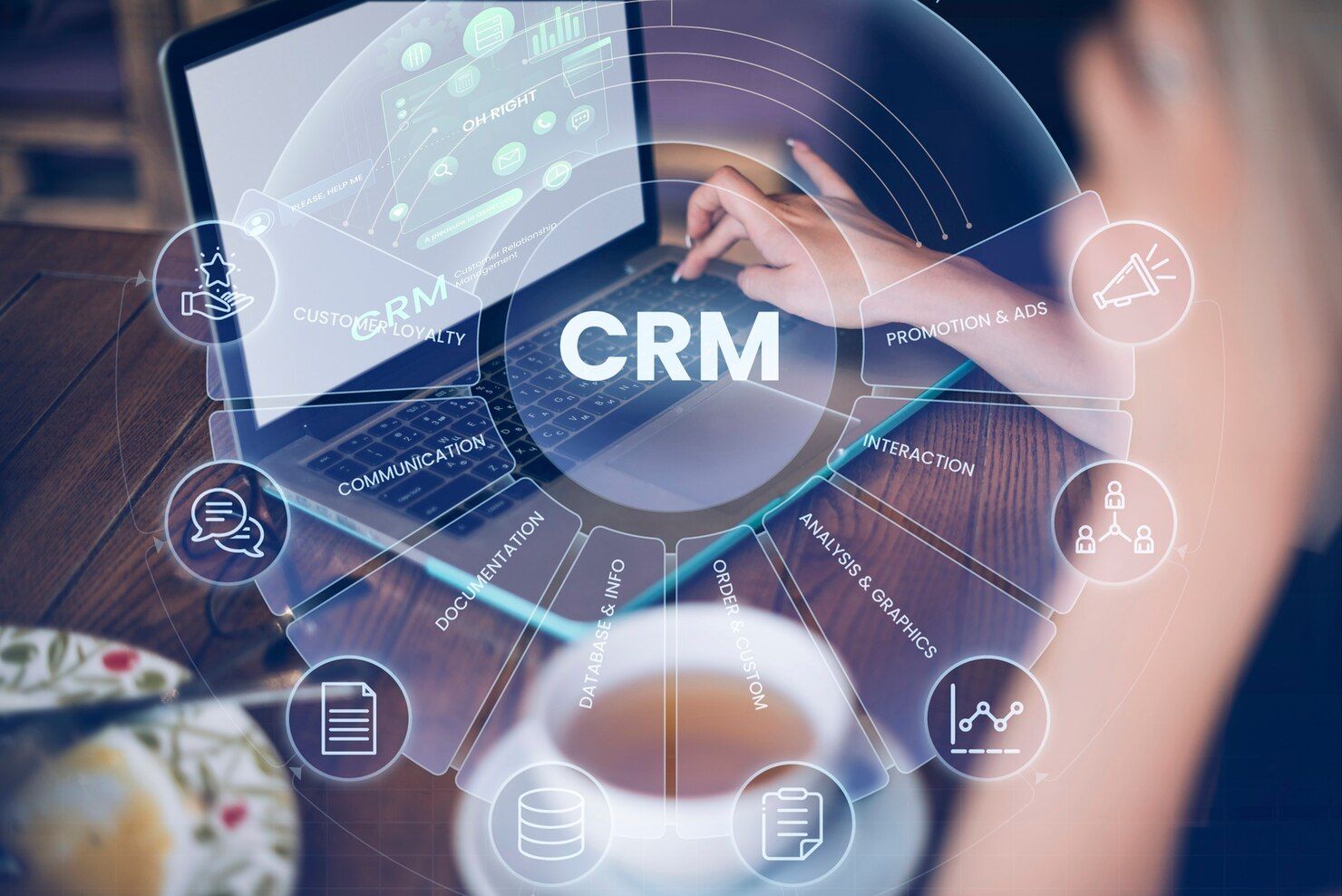
Cloud-based CRM software refers to digital platforms that help organizations manage customer relationships using online data systems. CRM stands for Customer Relationship Management, and these systems store, organize, and analyze customer interactions across communication channels.
Traditionally, businesses stored customer information in spreadsheets or local databases. As digital communication expanded, these methods became difficult to maintain and update. Cloud-based CRM platforms emerged to address these challenges by storing data on remote servers accessible through the internet.
Because the information is stored in cloud infrastructure, teams can access the same customer records from multiple locations and devices. This centralized structure allows organizations to maintain consistent data across departments such as marketing, support, and operations.
Modern CRM platforms also include tools for automation, analytics, and reporting. These features allow companies to better understand customer behavior, track interactions, and identify patterns that help guide decision-making.
Many industries use cloud CRM systems, including finance, healthcare, technology, education, and retail. The goal is not only to store customer information but also to improve communication and operational efficiency.
Why Cloud-Based CRM Software Matters Today
Digital transformation has increased the importance of structured customer data. Organizations now interact with customers through websites, apps, social media, and messaging platforms. Without a centralized system, tracking these interactions becomes complex.
Cloud-based CRM software helps address several common challenges:
• Fragmented customer information across multiple systems
• Difficulty tracking communication history
• Limited insights into customer behavior
• Inefficient collaboration between departments
By centralizing customer data, CRM platforms help organizations maintain consistent records. Teams can view interaction history, track engagement, and understand customer needs more clearly.
The relevance of CRM technology has grown as businesses rely more heavily on digital platforms. According to several technology industry reports, cloud computing adoption continues to expand globally, which increases the demand for cloud-based business tools.
Cloud CRM platforms also support remote and hybrid work environments. Employees can access data through secure dashboards without relying on physical office networks. This flexibility has become particularly important for distributed teams.
The systems also support analytics functions that help organizations interpret large datasets. These insights can support operational planning, communication strategies, and long-term relationship management.
Recent Developments and Trends in CRM Technology
Over the past year, several developments have influenced how CRM systems operate and evolve.
Artificial Intelligence Integration (2024–2025)
Many CRM platforms now incorporate artificial intelligence tools that analyze customer activity patterns. These tools help identify trends such as engagement timing, communication preferences, and interaction frequency.
Automation Expansion
Automation features have become more advanced. CRM platforms can now automatically categorize interactions, update records, and generate performance reports based on predefined workflows.
Data Privacy Enhancements
Recent updates in digital privacy expectations have encouraged CRM platforms to include stronger encryption, role-based access control, and data governance features.
Predictive Analytics
Predictive analysis capabilities have expanded. These features help organizations interpret historical customer interactions and identify potential trends.
The following table summarizes key trends influencing cloud CRM systems.
| CRM Trend | Description | Impact |
|---|---|---|
| AI-Driven Insights | Automated analysis of customer behavior | Improves data interpretation |
| Workflow Automation | Automatic updates and communication triggers | Reduces manual work |
| Data Security Improvements | Encryption and identity management | Supports privacy protection |
| Integration Ecosystems | Connection with marketing and analytics tools | Improves operational coordination |
Another emerging trend is the use of integrated CRM ecosystems. Instead of operating independently, CRM systems increasingly connect with marketing platforms, data analytics tools, and communication applications.
These integrations allow organizations to maintain consistent data across digital environments.
Policies and Regulations Influencing CRM Platforms
Because CRM systems store large volumes of customer data, they are influenced by privacy regulations and digital governance frameworks.
Several major data protection policies affect CRM usage worldwide.
General Data Protection Regulation (GDPR)
Implemented in the European Union, GDPR establishes rules for how organizations collect, store, and process personal data. Companies that handle data from EU residents must comply with these regulations.
California Consumer Privacy Act (CCPA)
The CCPA regulates how businesses manage personal data for California residents. It emphasizes transparency and consumer data rights.
Digital Personal Data Protection Act (India – 2023)
India introduced the Digital Personal Data Protection Act in 2023, establishing rules for collecting, processing, and storing personal data within digital systems.
Organizations using CRM platforms must ensure compliance with such policies by implementing security protocols and responsible data management practices.
These regulations also encourage companies to maintain transparency about how customer information is used.
The growing importance of privacy legislation has encouraged CRM developers to strengthen security architecture and governance features.
Tools and Resources Related to Cloud-Based CRM Systems
Various platforms and digital tools support CRM functionality. These tools help organizations organize customer data, analyze trends, and manage communication workflows.
Common CRM-related tools include:
Customer Data Platforms (CDPs)
Platforms that consolidate customer data from multiple channels into unified profiles.
Data Analytics Dashboards
Visualization tools that help interpret large datasets using graphs and reports.
Workflow Automation Tools
Systems that automate tasks such as communication tracking, data updates, and notification processes.
API Integration Frameworks
Technology frameworks that connect CRM systems with marketing platforms, analytics tools, and communication channels.
Helpful resources for learning about CRM technology include:
• technology research reports
• software documentation libraries
• data privacy compliance guidelines
• digital transformation frameworks
• analytics training materials
Below is a simple example showing how CRM systems connect with other digital platforms.
| System Component | Role |
|---|---|
| CRM Platform | Stores customer records |
| Analytics Tool | Interprets data patterns |
| Communication Platform | Tracks interaction history |
| Automation Engine | Performs repetitive tasks |
This interconnected ecosystem allows organizations to maintain consistent customer information while improving operational efficiency.
Frequently Asked Questions
What is cloud-based CRM software?
Cloud-based CRM software is an online platform that stores and manages customer relationship data using internet-based infrastructure rather than local servers.
How is cloud CRM different from traditional CRM systems?
Traditional CRM systems are often installed on local computers or servers, while cloud CRM platforms store data on remote infrastructure accessible through the internet.
Who typically uses CRM platforms?
CRM systems are used across many industries, including finance, retail, technology, healthcare, and education. They support teams that manage customer interactions and data.
Why is data security important in CRM systems?
CRM platforms store personal and communication information. Strong security practices help protect sensitive data and ensure compliance with privacy regulations.
Can CRM systems integrate with other digital tools?
Yes. Many CRM platforms connect with analytics dashboards, communication platforms, and automation tools through integration frameworks and APIs.
Conclusion
Cloud-based CRM software has become an essential part of modern digital infrastructure. By centralizing customer information and enabling real-time data access, these systems support more organized communication and improved operational coordination.
The evolution of CRM platforms reflects broader technological changes such as cloud computing, automation, and data analytics. Recent developments, including artificial intelligence integration and enhanced data governance, continue to shape how organizations manage customer relationships.
At the same time, regulatory frameworks such as GDPR, CCPA, and India’s Digital Personal Data Protection Act emphasize the importance of responsible data management. These policies influence how CRM platforms handle personal information and security protocols.
As digital ecosystems grow more interconnected, CRM technology will likely remain an important tool for organizing and understanding customer interactions across industries.
By combining centralized data storage, analytics capabilities, and integration with other platforms, cloud-based CRM systems help organizations maintain structured customer information in an increasingly digital environment.